Water damage has a strange sense of humor. It rarely stays where you expect it to. A leak can start in one room and somehow announce itself two rooms away, usually in the least convenient place possible. For Atlanta homeowners, plumbing issues, roof leaks, appliance failures, storms, and humidity can all create water problems in surprisingly odd locations.
Here are some of the most ridiculous places water damage can show up in an Atlanta home (https://waterdamageatlantaga.com/)—and why those strange spots should not be ignored.
1. Inside a Closet
Closets are supposed to hold clothes, shoes, boxes, and the things you promise yourself you will organize someday. They are not supposed to have their own water feature.
Yet closet water damage is surprisingly common.
A plumbing line may run behind the wall, a bathroom may sit on the other side, or a roof leak may travel down through framing before reaching the closet.
Because closets stay closed and receive less airflow than other rooms, moisture can remain unnoticed for quite a while.
By the time you discover the problem, you may have damp drywall, stained carpet, warped shelving, or a musty smell.
2. Behind the Refrigerator
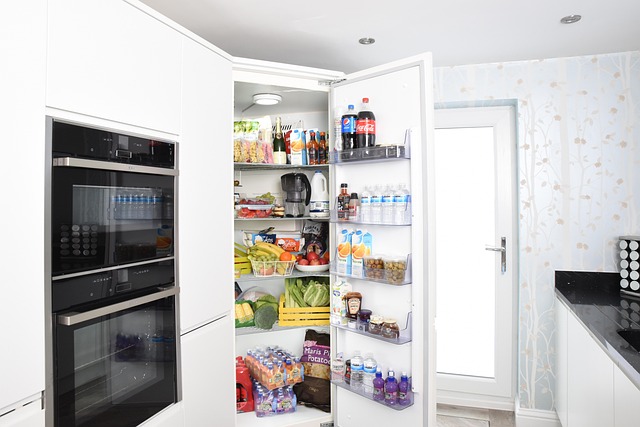
Most people do not regularly pull their refrigerator away from the wall just to see what is happening behind it.
That makes this spot perfect for a slow leak to hide.
Refrigerators with water dispensers or ice makers usually have supply lines that can loosen, crack, or leak over time.
The water may slowly seep beneath flooring or cabinets before anyone realizes there is a problem.
If you suddenly notice flooring that feels soft near the refrigerator, do not assume the kitchen has developed a personality. It may be water damage.
3. Under the Kitchen Sink
This one is less surprising, but somehow people still manage to ignore it.
The area beneath the sink tends to become a storage zone for cleaning products, spare sponges, trash bags, and approximately seventeen bottles nobody remembers buying.
A slow plumbing leak can hide behind all that clutter.
By the time you notice, the cabinet base may be swollen or discolored.
Checking beneath sinks occasionally can help catch small leaks before they become a bigger restoration project.
4. Around Light Fixtures
Few things get your attention faster than seeing water near a ceiling light.
If water is dripping from or collecting around a light fixture, there may be a leak somewhere above it.
The actual source could be a bathroom, plumbing line, HVAC system, or roof leak.
This is not a situation for creative DIY experimentation. Water and electricity are not a combination worth testing.
Keep away from the affected area and have the source evaluated safely.
5. Inside the Walls
Water damage inside walls is especially frustrating because your home can look perfectly normal while something unpleasant is happening behind the drywall.
Leaks from pipes, roofs, windows, or bathrooms can allow moisture to travel inside wall cavities.
Possible warning signs include bubbling paint, peeling wallpaper, soft drywall, discoloration, or a persistent musty odor.
Sometimes the wall gives no obvious clues at all until the damage becomes more extensive.
6. Under Hardwood or Laminate Flooring
Water has an impressive ability to get beneath flooring and stay there.
A dishwasher leak, refrigerator line problem, plumbing issue, or overflowing appliance can send water underneath nearby materials.
Hardwood may begin to cup or warp.
Laminate can swell along the seams.
And sometimes the floor develops that strange soft feeling that makes you immediately wonder what expensive surprise is waiting underneath.
The visible surface may dry while moisture remains trapped below.
7. In the Attic
Most Atlanta homeowners do not spend much recreational time hanging out in the attic, which makes it an easy place for leaks to go unnoticed.
Roof damage, flashing problems, condensation, and plumbing lines can all introduce moisture.
You may not notice the attic problem until a ceiling stain appears downstairs.
By then, water may have already affected insulation, wood framing, or drywall.
Checking the attic after major storms can help reveal issues earlier.
8. Behind the Washing Machine
The washing machine is another appliance that can quietly create a large problem.
Supply hoses, drain lines, and connections can leak behind the unit where they are difficult to see.
A small leak can damage flooring and drywall over time.
A failed hose, on the other hand, can turn the laundry room into a swimming pool with remarkable efficiency.
Inspecting hoses and connections periodically can help reduce the risk.
9. Around Windows
If you notice water stains beneath or beside a window, the window itself may not necessarily be the only problem.
Damaged seals, exterior cracks, siding issues, or improper drainage can allow rainwater to enter the wall.
Atlanta’s heavy storms can make these weak points more noticeable.
Sometimes the water travels inside the structure before appearing several inches—or even several feet—from where it originally entered.
10. In the Basement or Crawl Space
This location may not be ridiculous, but the route water takes to get there often is.
Rainwater, plumbing leaks, groundwater, drainage issues, or moisture from the surrounding soil can all affect lower areas of a home.
Crawl spaces are particularly easy to forget because most homeowners would rather not visit them unless absolutely necessary.
Unfortunately, unnoticed moisture can affect insulation, wood, flooring, and other nearby materials.
Water Rarely Respects Room Boundaries
The biggest lesson is that water does not always show up directly beneath the source.
It can travel along pipes, framing, insulation, drywall, and flooring before finally becoming visible.
That is why a stain in one room may actually be caused by a problem somewhere else.
If you discover unexpected moisture, bubbling paint, warped flooring, ceiling stains, or a suspiciously damp closet, it is worth investigating instead of assuming the problem will disappear on its own.
Water damage may have a sense of humor, but repair bills usually do not.