Furnaces have a funny way of acting up when you need them most. One day everything is fine, and the next your heating system sounds like it is auditioning for a horror movie. If you are searching for furnace repair Fallbrook CA, there is a good chance your furnace has already started sending warning signs. Some are obvious, some are weird, and some are almost funny—until the house gets cold. Here are seven signs your furnace may be doing more than just being dramatic.
1. It Sounds Like Someone Is Trapped Inside
A furnace should not sound like it is trying to escape the utility closet.
Banging, rattling, popping, squealing, and grinding noises can all point to mechanical problems.
A little noise during startup may be normal depending on the system, but loud or unfamiliar sounds deserve attention.
Rattling can sometimes come from loose panels or components, while squealing may be related to a belt or motor issue on certain systems.
Grinding is rarely a sound you want to ignore.
If your furnace has suddenly developed its own percussion section, it may be time to have it checked.
2. It Turns On and Off Like It Cannot Make Up Its Mind
Does your furnace run for a few minutes, shut down, and then start again shortly afterward?
That is called short cycling.
Think of it as your furnace repeatedly walking into a room, forgetting why it came in, and walking back out.
Short cycling can happen for several reasons, including airflow problems, thermostat issues, overheating, or equipment faults.
Not only can it make your home uncomfortable, but frequent cycling may put extra wear on the system.
A furnace that cannot complete a normal heating cycle is worth investigating.
3. The Thermostat Says 72, but Your Feet Say 55
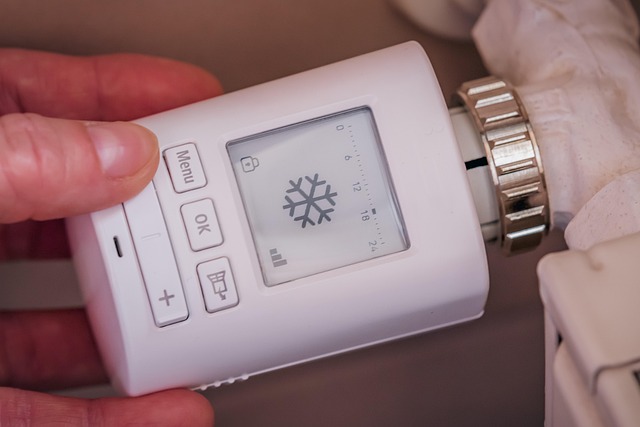
Sometimes the thermostat insists everything is fine while everyone in the house is wearing a sweater.
If the furnace is running but certain rooms remain noticeably colder, the problem could involve the furnace, ductwork, airflow, or thermostat.
Cold rooms are especially noticeable in homes where some areas heat normally while others never seem to catch up.
Before blaming the thermostat for lying to you, check whether vents are open and unobstructed.
If airflow is weak or temperatures remain inconsistent, the heating system may need attention.
4. Your Furnace Has Developed a Strange Smell
A slight dusty smell when a furnace first runs after sitting unused for a while can be normal.
Persistent or unusual odors are another story.
A burning smell, electrical odor, or strong musty scent should not be ignored.
Sometimes dust or debris is involved, but odors can also indicate overheating components, airflow issues, or other problems.
And if you ever smell gas, treat it seriously. Leave the area and follow the appropriate emergency procedures rather than trying to troubleshoot the furnace yourself.
Your furnace may be dramatic, but unusual odors are not the place for jokes.
5. Your Energy Bill Suddenly Needs Its Own Budget
A furnace problem does not always announce itself with noise.
Sometimes the first warning arrives in the form of a higher utility bill.
If your heating costs rise significantly without a major change in weather or household habits, the furnace may be running less efficiently.
Dirty filters, aging components, poor airflow, or system problems can cause equipment to operate longer than necessary.
Comparing recent bills with previous periods can help you spot unusual changes.
If your furnace seems to be working overtime while delivering less heat, something may be wrong.
6. The Furnace Is Blinking at You
Modern furnaces often have diagnostic lights that flash when the system detects a problem.
It may feel like your furnace is trying to communicate in Morse code.
In a way, it is.
Different flashing patterns can correspond to different conditions, depending on the manufacturer and model.
The code chart is often located on or inside the furnace panel.
A blinking light might point toward an ignition problem, pressure-switch issue, airflow problem, or another fault.
Do not assume that one blink pattern means the same thing on every furnace.
Write down the pattern before resetting the system, because the information may help with diagnosis.
7. It Only Works When You Threaten to Call Someone
This one is familiar to anyone who has owned aging equipment.
The furnace stops working.
You check the thermostat.
Nothing.
You walk toward the phone to call for service—and suddenly the furnace turns back on as if nothing happened.
Intermittent problems can be especially frustrating because they are easy to dismiss.
But a furnace that repeatedly fails and then starts working again may have an electrical, ignition, sensor, or control issue.
Temporary recovery does not necessarily mean the problem has disappeared.
If the same behavior keeps returning, it is better to investigate before the furnace decides to stop completely.
When Funny Becomes Expensive
A noisy furnace or strangely cold room can be amusing for about five minutes.
After that, it becomes a comfort problem—and potentially a repair problem.
The best time to address furnace trouble is often when the warning signs first appear, not after the system completely stops heating.
Homeowners can safely check basic things such as thermostat settings, air filters, and whether vents are blocked.
More complicated problems involving gas, electrical components, ignition systems, or internal furnace parts are better left to trained professionals.
Your Furnace Probably Is Not Being Dramatic
Furnaces do not actually have personalities, of course.
But when one starts banging, blinking, short cycling, producing strange smells, or refusing to heat consistently, it can certainly feel like it does.
The good news is that these behaviors often provide useful clues about what is happening inside the system.
Pay attention to changes, note when symptoms occur, and avoid repeatedly resetting a furnace that keeps showing the same problem.
If your Fallbrook furnace is putting on a performance worthy of its own sitcom, it may simply be asking for a little professional attention before the final episode is titled “No Heat Tonight.”